
Puppy Teething: Timeline, Signs and Safe Things to Chew
Puppy Teething: Timeline, Signs and Safe Things to Chew
One morning you find a tiny, rice-sized tooth on the carpet. Your puppy is gnawing the table leg, and your hands look like they have been through a rose bush. Welcome to teething. It is a normal stage, it does not last forever, and you can make it a lot easier on everyone.
Puppy teething timeline
Puppies, like human babies, grow two sets of teeth. This timeline follows the American Kennel Club's guide. Your puppy may be a little earlier or later, and your vet can check how things are going.
| Age | What is happening | What helps |
|---|---|---|
| 2 to 4 weeks | Baby teeth begin to come in, while the puppy is still with the mother and breeder | Nothing for you to do yet |
| 5 to 6 weeks | All the baby teeth should be in, about 28 in total | Breeder is weaning onto soft food |
| 12 to 16 weeks | Baby teeth start to fall out and adult teeth emerge. You may find tiny teeth around the house | Safe chew toys, a vet check of the mouth, gentle touching of the mouth |
| About 6 months | Baby teeth should all be gone, and adult dogs have about 42 teeth | Tell your vet if any baby teeth remain |
Signs your puppy is teething
Teething does not look the same in every puppy, but these are common. Your puppy chews on more things than usual, including your hands. The gums look a little red. You may spot small teeth on the floor or in toys. Some puppies are a bit fussier than normal, and some eat less comfortably for a few days.
If your puppy refuses food for more than a day, has bleeding that does not stop, a swollen face, or very bad breath, call your vet instead of assuming it is teething.
What can a teething puppy safely chew?
The AKC says to offer safe chew toys from around 12 to 16 weeks. PDSA gives a very practical test for chew treats and toys: they should be soft enough that you can dent them with your fingernail, because if they are too hard they can damage teeth and gums. PDSA also says to rotate toys so your puppy does not get bored.
- Rubber toys with some give, sized so they cannot be swallowed.
- Soft textured toys made for puppies, checked often for damage.
- Chews recommended by your vet for your puppy's age and size.
Are bones, antlers and rawhide safe?
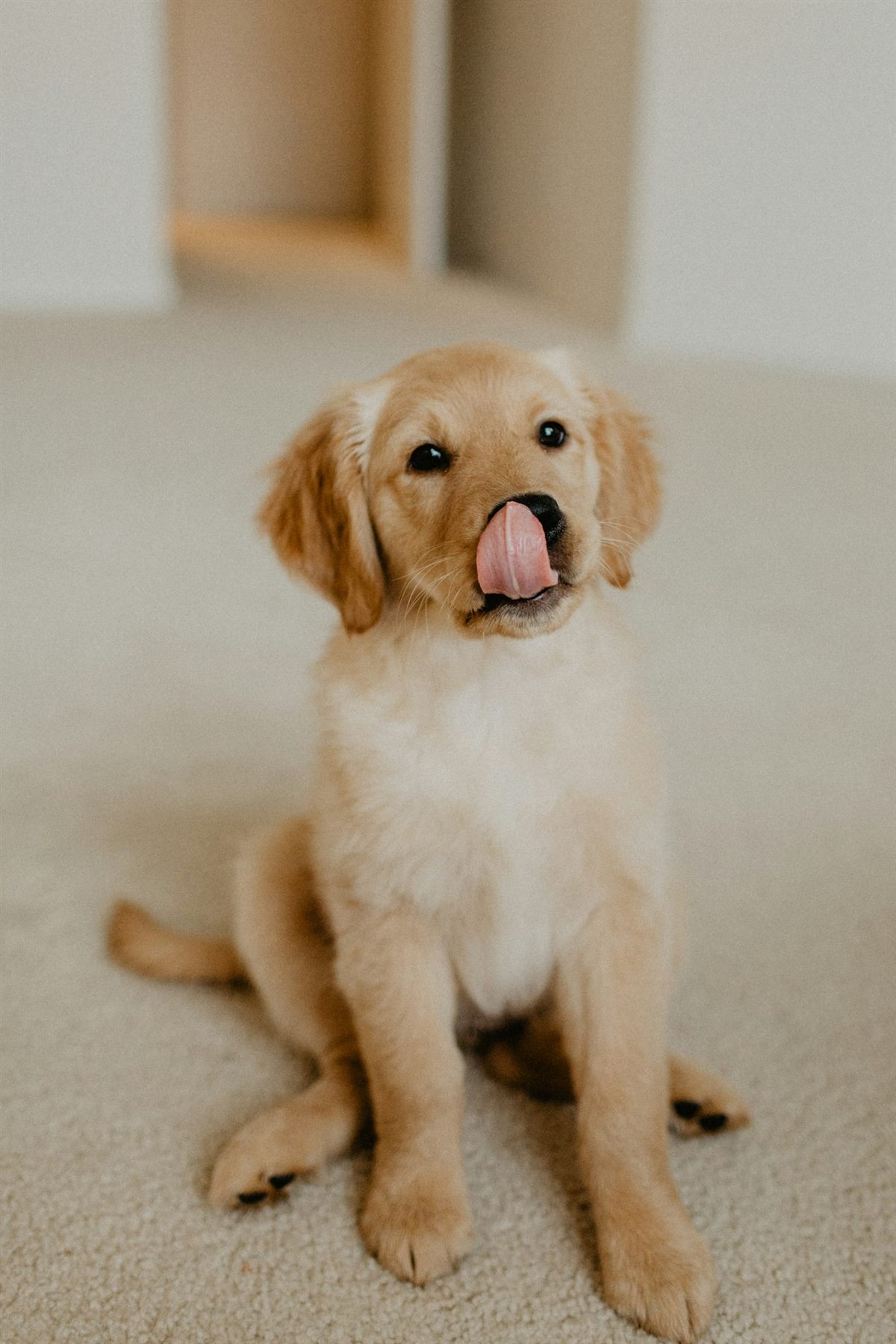
This is one of the most searched questions, and the cautious answer is to skip them. PDSA says bones are not a good chew treat, because they can break teeth, or splinter in the stomach and pierce the gut. They can also cause constipation, or a blockage if large pieces are swallowed. PDSA also does not recommend rawhide, as it can splinter and potentially hurt your dog. Antlers and other very hard chews fail the fingernail test, so they carry the same risk to teeth that are still growing. Whatever you choose, check with your vet, and supervise.
How to choose a safe chew toy
With so many toys on the shelf, it helps to have a checklist. PDSA's vets say safe chew toys are:
- Designed for chewing. Most soft toys, tug ropes, tennis balls and frisbees are only meant for supervised play and should not be left for chewing, because they do not last under a puppy's jaws and can be dangerous.
- Soft enough to dent with your fingernail. PDSA says anything harder can cause fractured teeth or bleeding gums, especially for strong chewers.
- Bigger than your puppy's throat. The whole toy should not fit completely in the mouth, so check the size guide and move up as your puppy grows.
Rotate toys every few days, because a "new" toy is more interesting than the same old one. Look over each toy daily, and throw away anything cracked, chewed into pieces or coming apart.
Chew treats: what to check first
Chew treats are different from toys, and PDSA is cautious about them. It says to choose treats that are safe for dogs, come from a source you trust, and contain nothing dangerous. It also says they should be given only now and then, because they can add a lot of calories, so reduce your puppy's food a little on the days you give one. Pick ones your puppy actually chews. If your puppy gulps it down, they get all the calories and none of the benefit. And, as above, PDSA recommends steering clear of rawhide, which can break into large pieces that cause a blockage and may contain dangerous bacteria or unsafe chemicals, particularly if imported.
Why is my puppy biting more while teething?
Biting and mouthing are normal in puppies, and teething can make them more intense for a while. Sore gums make firm things attractive, and hands, sleeves and ankles are right there. The fix is the same as at any other age: keep a toy within reach, calmly stop the game when teeth touch skin, offer something suitable to chew, and praise when your puppy uses it. A tired puppy bites more, so make sure naps happen, using our nap and sleep schedule. For a full routine, read how to stop puppy biting.
Start gentle mouth handling now
The American Kennel Club suggests that around 12 to 16 weeks is a good time to start touching your puppy's mouth, outside and in, so that tooth brushing and vet checks are easier later. Be careful, as the remaining baby teeth are razor sharp. Keep it to a few seconds, give a treat, and stop before your puppy gets fed up. A relaxed mouth check at home also means you will spot a loose tooth, red gums or a baby tooth that stays put, which is worth mentioning to your vet.
How to ease teething at home
- Keep several toys within reach and swap them every day or two.
- Redirect, do not scold. When teeth touch skin, calmly pause, then offer a toy and praise when it is chewed. Our pause, redirect, reward method shows how.
- Puppy-proof cables, shoes and table legs, or block access with a pen or gate.
- Handle the mouth gently for a few seconds a day with a treat, so a later vet check or tooth brushing is easier.
- Plan chew time when your puppy is tired and cranky. Overtired puppies bite more.
When to ask the vet
Ask your vet to look at your puppy's mouth around the time the baby teeth start to fall, and tell your vet if any baby teeth are still there at around 6 months, as the AKC advises. Also call the vet if your puppy has a broken tooth, bleeding gums, drools heavily, cries when eating, or seems unwell. Teething is not usually a medical problem, but a vet can tell the difference.
The biting that comes with teething usually settles as the adult teeth arrive. For the longer picture, read when does puppy biting stop.
Quick teething checklist
- Three or four chew toys within reach, rotated every few days.
- Every toy passes the fingernail test and is bigger than your puppy's throat.
- No bones and no rawhide, and chew treats only now and then.
- A vet check of the mouth around 12 to 16 weeks, and another look at about 6 months.
- Calm redirection when teeth touch skin, and plenty of naps.
If you want a calm, practical list to carry you through the first weeks, grab the Get the free New Puppy Survival Guide.
Frequently asked questions
When do puppies start teething?
Baby teeth start to come in at around 2 to 4 weeks, while the puppy is still with the breeder. The second round, when baby teeth fall out and adult teeth push through, usually starts at around 12 to 16 weeks, according to the American Kennel Club.
How long does puppy teething last?
Most puppies have lost all their baby teeth and grown their adult teeth by about 6 months. The exact timing varies, so ask your vet to check your puppy's mouth if baby teeth are still in place after that.
Are bones, antlers or rawhide safe for teething puppies?
PDSA says bones are not a good chew because they can break teeth or splinter and pierce the gut, and it does not recommend rawhide because it can splinter. Its test for chew treats is that they should be soft enough to dent with your fingernail. If you are unsure about a specific chew, ask your vet.
Why is my puppy biting so much while teething?
Sore gums make firm things attractive, and your hands and clothes are within reach. Redirect to a suitable chew toy and read our guide to how to stop puppy biting.
How often can I give my puppy chew treats?
PDSA says to give chew treats only now and then, because they can add a lot of calories, and to cut your puppy's food a little on those days. Choose ones your puppy really chews and that come from a source you trust.
What is the best thing for a teething puppy to chew?
A toy made for chewing, sized so it cannot fit completely in the mouth, and soft enough to dent with a fingernail. Rotate a few toys and ask your vet if you are unsure about a particular product.
Disclaimer. PuppyGuido provides general educational information and does not replace advice from a qualified veterinarian or professional trainer.
Keep reading
When Does Puppy Biting Stop? What Is Normal
Puppy biting is normal and usually eases with age, teething, and consistent redirection, so here is what to expect week by week.
Read article
How to Stop Puppy Biting: The Pause, Redirect, Reward Method
Sharp little teeth are normal. A gentle three-step method that works without punishment.
Read articlePuppy Slow Feeder Bowls: Are They Worth It?
A calm, practical look at whether a slow feeder bowl suits your new puppy, and how to use one without the mealtime drama.
Read article