
Puppy Separation Anxiety: Normal Protest or a Real Problem?
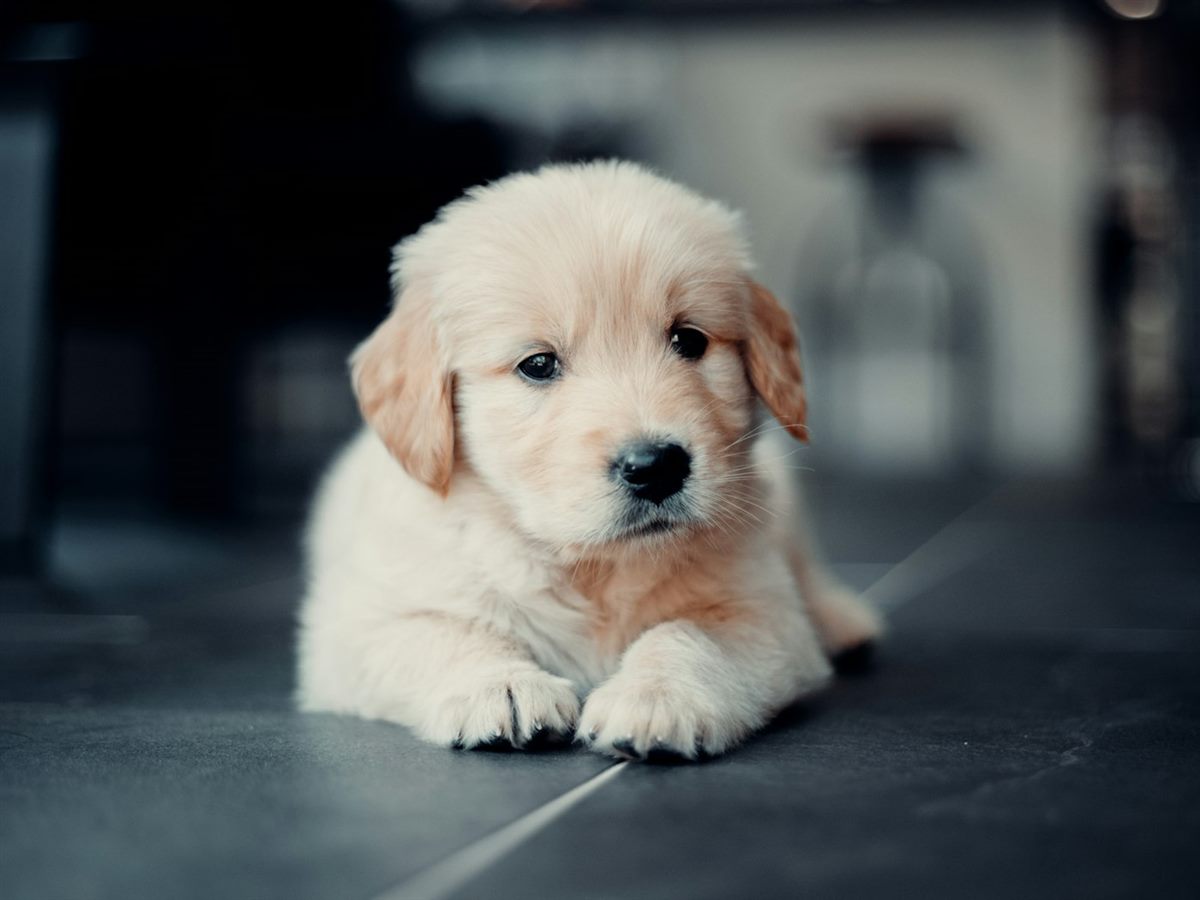
Puppy Separation Anxiety: Normal Protest or a Real Problem?
You pick up your keys, and your puppy's whole body changes. Whining, pacing, maybe a frantic bark at the door. It is heartbreaking to hear, and many new owners wonder if they have a puppy with separation anxiety. In most cases, a young puppy is simply not yet used to being alone. Here is how to tell the difference, and how to teach alone time kindly.
Normal protest vs separation anxiety
Separation anxiety is different from a puppy who dislikes being left. According to the American Kennel Club, it means extreme stress from the time you leave until you come home, and the dog acts as if it is terrified to be in the house alone. A behaviourist quoted by the AKC compares it to a panic attack.
| Usually normal for a new puppy | Possible separation anxiety |
|---|---|
| Whining for a few minutes, then settling | Constant distress for the whole time you are away |
| Excited greeting when you return | Frantic behaviour as you prepare to leave |
| Chewing a toy you left | Chewing doors and windows, escape attempts |
| An accident now and then, as with any puppy | Toileting in the house only when left alone |
PDSA lists these signs: barking and whining, destructive behaviour like chewing, attempts to escape, peeing and pooing in the house, and pacing. ASPCA adds drooling, and notes that these are not signs a dog is not house trained or is naughty. They are signs of distress.
Why does it happen?
PDSA gives several reasons: the dog is not used to being left alone, there has been a change in the household, something has scared them, they are bored, or a routine has changed. Genetics, personality and past experiences play a part, and pain or medical problems can also make a dog worried about being alone, so a vet check is a good first step if your puppy struggles.
How to teach your puppy to be alone
PDSA's approach is gradual and rewards calm. Here it is in practical steps.
- Start with a few steps away. Walk a short distance from your puppy. If they stay calm, return and reward them.
- Leave the room briefly. Come back, and if the puppy is still calm and quiet, reward again.
- Increase time slowly. Make each absence only a little longer than the last.
- Then try leaving the house for short moments, and build up.
- Keep comings and goings calm. The AKC says that a big, emotional greeting can make your puppy treat your departures and returns as a big event.
If your puppy cries during a step, you went too fast. Go back to the last duration that worked and stay there for a few days.
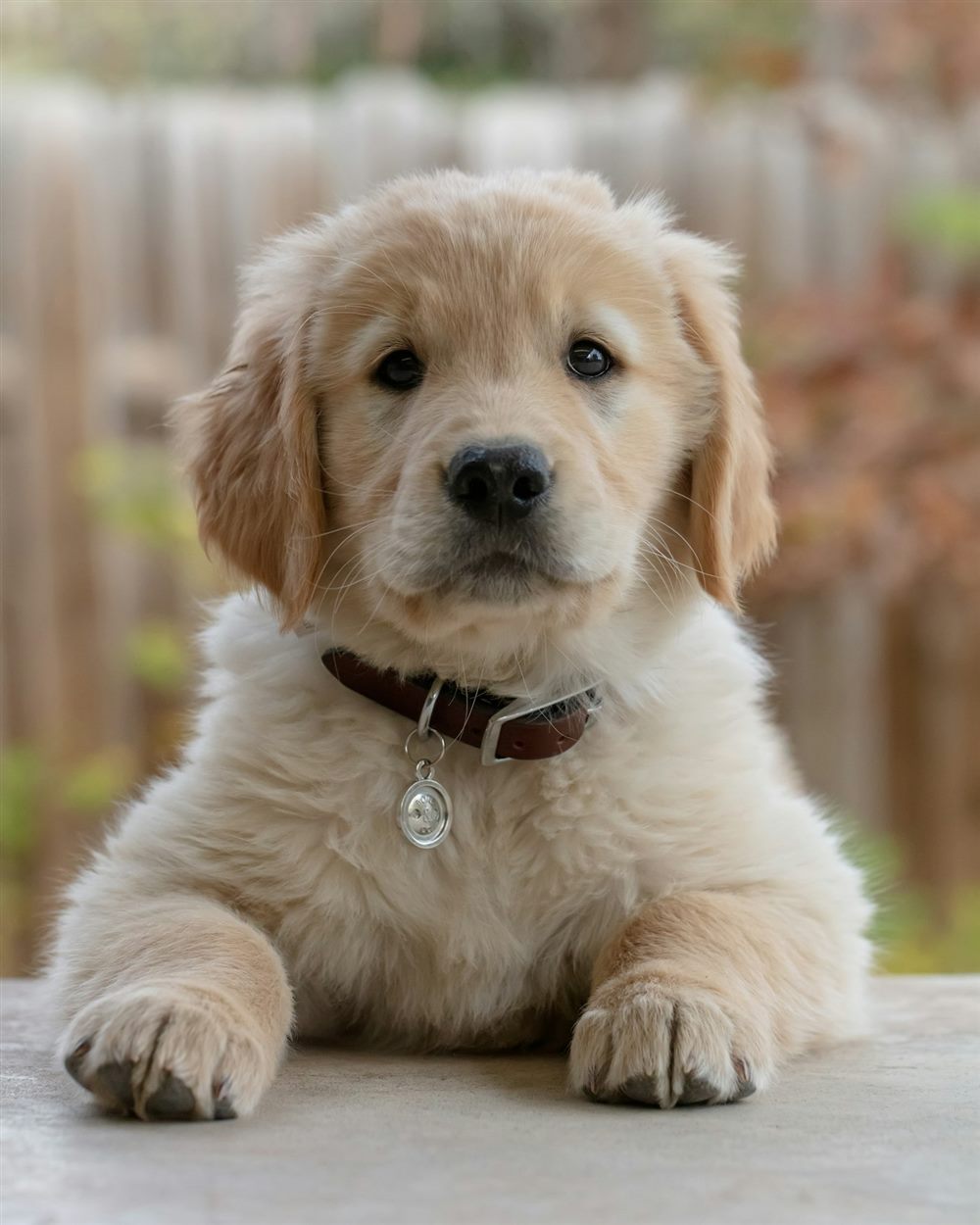
Make departures less stressful
The AKC suggests desensitising your puppy to the signs that you are about to leave. Pick up your keys or put on your coat, then go and make dinner instead of leaving, or toss a high-value treat right before touching your keys. Over time, your puppy learns that these signs predict good things, not panic.
Exercise, rest and routine
The AKC says exercise cannot cure separation anxiety but can help treat and prevent it, so give age-appropriate exercise and play before a planned absence, followed by a toilet break and a nap. Rest matters too. Our nap and sleep schedule shows a realistic day, and a schedule for people who work full time covers breaks and help.
A daily routine that makes alone time easier
Practice works best when the rest of the day is predictable. Here is a simple pattern, combining the advice from PDSA and the AKC.
- Exercise and play first. The AKC says age-appropriate exercise helps treat and prevent separation anxiety, although it cannot cure it.
- Toilet break, then rest. A puppy who has been out and is sleepy is more likely to settle.
- Leave something safe to do. PDSA suggests plenty of interactive toys or feeders to keep your dog entertained, and says to make sure they are safe.
- Leave calmly. No long goodbye. The AKC says to keep things calm and without fanfare when you leave and return.
- Return calmly. Greet your puppy with love, but do not get over-the-top emotional.
How long should a puppy be left alone?
There is no magic number, and it depends on your puppy's age and what they are used to. PDSA says four hours is the longest dogs should routinely be left, and that four hours would generally be too long for a very active young puppy. It adds that there may be the occasional time when you must be away longer, so have toys or feeders ready. If you work full time, plan help such as a family member, a trusted friend or a dog walker, and read our full-time work schedule.
Does a puppy outgrow separation anxiety?
Do not count on it. Mild protest often fades as a puppy learns that you always come back, which is why gradual practice matters. But the AKC describes true separation anxiety as an extreme stress response, and PDSA recommends speaking to your vet or a professional behaviourist if you think your dog might have it. Early help is easier than late help.
What not to do
- Do not punish a puppy for accidents or damage when you return. The AKC says this adds to anxiety.
- Do not leave a puppy alone for long stretches before they are ready. PDSA says a very active, young puppy cannot manage four hours.
- Do not ignore signs of extreme distress. Ask your vet for help early.
When to get help
Talk to your vet or an accredited behaviourist if your puppy shows serious signs, such as self-injury, constant panic, or damage around doors and windows, as PDSA advises. The AKC notes that some vets recommend medication when training alone is not enough, which is a decision to make with your vet. For the longer view, see our guide on leaving a puppy alone.
A simple 7-day practice plan
This example follows PDSA's gradual method. Adjust it to your puppy, and go back a step if you see distress.
| Days | Practice |
|---|---|
| 1 to 2 | Walk a few steps away while your puppy settles, then return and reward calm |
| 3 to 4 | Leave the room for a short moment, come back, reward calm |
| 5 to 6 | Stay out of the room a little longer, with a safe toy or feeder |
| 7 | Step outside for a very short time, return calmly, and reward |
Some puppies need a week at each step, and that is fine. Quality matters more than speed. Repeat short sessions through the day, and skip a session if your puppy is tired or unwell.
If you want a calm, practical list to carry you through the first weeks, grab the Get the free New Puppy Survival Guide.
Frequently asked questions
Is it normal for a puppy to cry when I leave?
Yes, a little protest is common when a puppy is new and not yet used to being alone. It becomes a concern when the distress is extreme, lasts the whole time you are away, or comes with destruction, accidents or escape attempts.
How long can I leave my puppy alone?
PDSA says four hours is the longest dogs should routinely be left alone, and that it is too long for a very active, young puppy. Build up gradually from seconds and minutes.
What are the signs of separation anxiety in puppies?
PDSA lists barking and whining, destructive chewing, escape attempts, toileting in the house, and pacing. ASPCA also notes drooling and getting upset when you get ready to leave.
Should I punish my puppy for chewing or accidents when I get home?
No. The American Kennel Club says punishing a dog after accidents or damage adds to the anxiety and makes the problem worse. Stay calm and clean up.
Can exercise cure separation anxiety?
The American Kennel Club says exercise cannot cure separation anxiety, but it can help treat and prevent it. Give age-appropriate exercise and play, together with gradual practice at being alone.
Does my puppy need a behaviourist?
PDSA recommends speaking to your vet or a professional behaviourist if you think your dog could be suffering from separation anxiety. A vet can also check for pain or medical causes.
Disclaimer. PuppyGuido provides general educational information and does not replace advice from a qualified veterinarian or professional trainer.
Keep reading
How to Stop Your Puppy From Jumping on People
Four paws on the floor earns the attention, so here is how to greet guests calmly and stop the jump before it starts.
Read article
Puppy Barking: Why It Happens and What to Do
Why puppies bark, how to work out the reason, and calm ways to reduce it without scolding. Practical steps for new owners.
Read article
Puppy Zoomies and the Evening "Witching Hour": Why Puppies Go Wild and What Helps
Why puppies get zoomies in the evening, what to check (rest and exercise), how to keep it safe, and when to get help.
Read article