
Puppy Zoomies and the Evening "Witching Hour": Why Puppies Go Wild and What Helps
Puppy Zoomies and the Evening "Witching Hour": Why Puppies Go Wild and What Helps
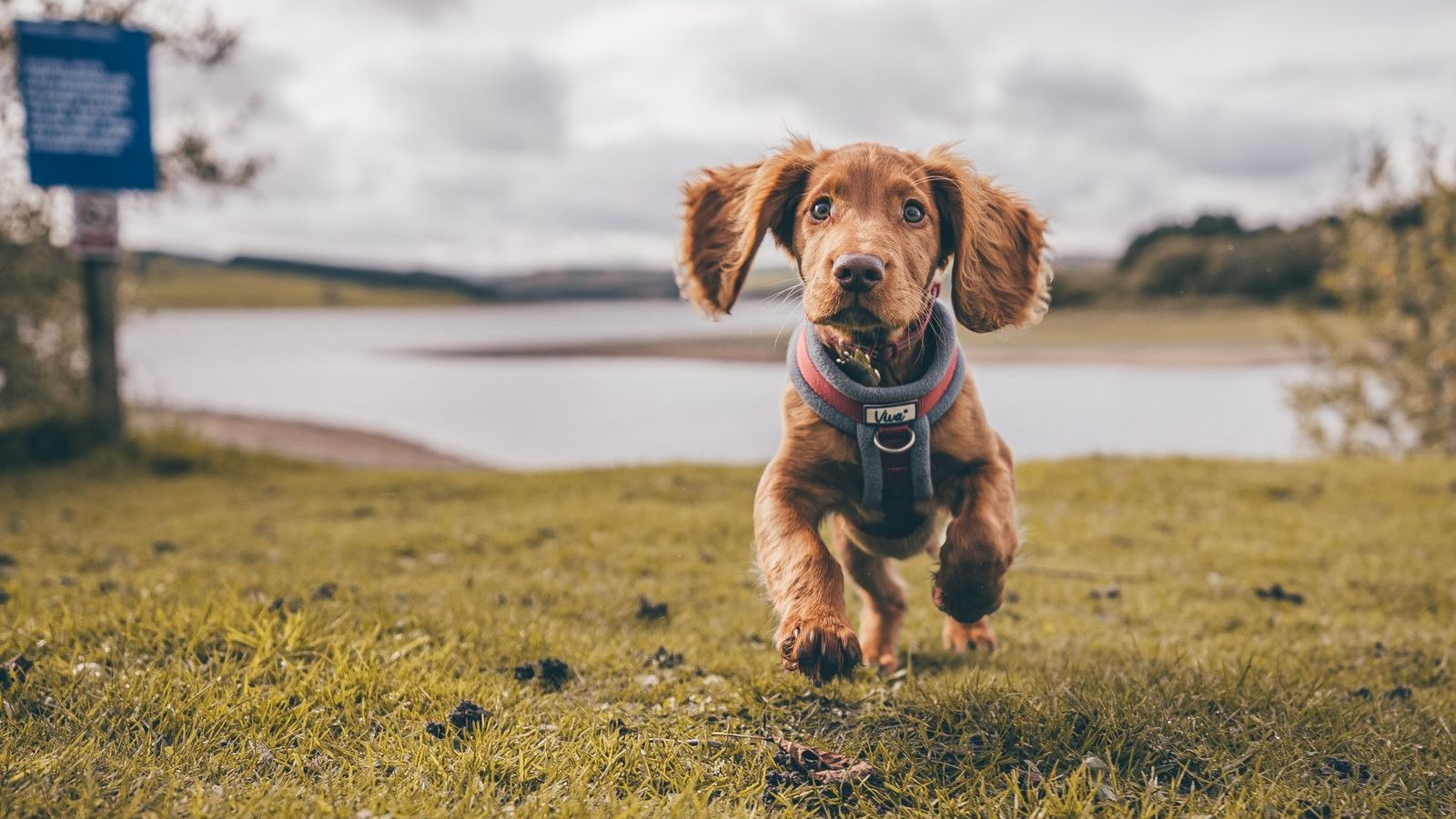
Zoomies, short bursts of frantic running, are normal for puppies, and the AKC says there is nothing to worry about in most cases. They often show up in the evening. Sources point to two common causes you can check: not enough exercise and play, or being overtired. Keep the space safe, give your puppy rest and an outlet, and get help if zoomies are constant.
What are zoomies?
AKC says zoomies are also called "frapping," from F.R.A.P., short for "Frenetic Random Activity Period." Your puppy shows intense, random activity for a short burst. They might run in circles, start and stop suddenly, or do play bows. Preventive Vet's trainer says zoomies are usually short-lived and last a minute or two.
"Witching hour" is an informal name for the evening wild time. We did not find it used in the sources we read.
Why puppies get them
- Excitement or play. AKC says frapping releases energy, so you often see it when a dog is excited or playful.
- After a stressful or special event. AKC and Preventive Vet both mention zoomies after a bath, and Preventive Vet adds after eating, before bedtime, or when a puppy is very excited to see someone.
- Night time. AKC says zoomies happen often at night, especially in puppies who were crated all day or did not get enough chances to exercise.
- Being young. AKC says even adult dogs get zoomies, but the younger the dog, the more often they seem to happen, and the frequency usually drops as energy drops with age.
- Being overtired. Dogs Trust says puppies who are growing tired can suddenly seem very energetic and dash about. It says it is easy to assume they need more exercise, but they probably need sleep. Dogs Trust also says puppies may do zoomies more if they are bored, frustrated or worried, and may get more hyper if they are overtired.
Too little exercise, or too tired?
Sources point in two directions, so check both:
- AKC: frequent zoomies more likely mean your puppy is not getting enough exercise. Puppies should not do strenuous exercise or activities such as jumping that can damage growing bones, but they need physical and mental stimulation: daily walks, play and training.
- Dogs Trust: puppies need regular naps during the day as well as overnight, and too much exercise can also leave a dog overtired.
For the evening, ask yourself: has my puppy had a play and training outlet today, and have they had naps? Our nap and sleep schedule covers rest, and our puppy schedule for working owners covers fitting exercise around a work day.
Keep zoomies safe
- Clear the path. AKC says to make sure there are no obstacles. A fenced yard is a good place, and carpeted areas are safer than slippery floors. Keep breakables out of the way.
- Avoid stairs. Preventive Vet says not to let your dog zoom up or down stairs or other obstacles where they could get hurt.
- Give room. Preventive Vet says to make sure your pup has room to run and will not knock anything over.
What helps
From the sources:
- Build a routine. AKC suggests a routine with time for play, training and activity, such as fetch or a walk. Include nap time too, because puppies need lots of rest spread through the day.
- Do not crate from dusk to dawn. AKC says a crate is a good tool, but your puppy should not be in there all day. If you cannot be home, AKC suggests asking a neighbor or hiring a sitter to give company and activity at midday. See leaving a puppy alone.
- Redirect with toy play. Preventive Vet suggests engaging your puppy in toy play to bring their attention back to you.
- Encourage rest. Dogs Trust suggests calming activities such as safe long-lasting chews or things to lick, and a comfortable bed in a quiet area. You cannot make a puppy sleep, but you can encourage it.
- Quiet before bed. Dogs Trust suggests shutting the curtains and keeping activities quiet and calm to get your puppy ready to sleep.
- Notice when it happens. Preventive Vet says paying attention to when zoomies occur can show you what is stressful for your dog.
(General guidance) A simple evening pattern many owners use: a short play or training session, then a potty trip, then a chew or lick toy in a quiet spot, then bedtime. See our first night guide for night routines.
Zoomies and biting
Wild evenings often come with nipping at ankles or sleeves. Dogs Trust says you cannot stop zoomies or mouthing completely, but puppies may do more of them when bored, frustrated, worried or overtired. For the biting side, see how to stop puppy biting.
When zoomies are a sign of something else
- Constant zoomies. AKC says that if your puppy is frapping all the time, it could be obsessive behavior or high stress. AKC suggests a dog trainer or animal behaviorist if you are concerned.
- Happening in stressful situations. Preventive Vet says frequent zoomies might mean your dog is stressed or unsure, and the zoomies may be a displacement behavior.
- Health. Dogs Trust suggests a vet visit to check for underlying health conditions affecting behavior.
This article is general information, not veterinary advice.
Make the evenings easier
Our free New Puppy Survival Guide is a gentle start.
The New Puppy Starter Kit includes a first-week day-by-day checklist plus a night routine.
Related reading: evening energy often comes with noise, so see puppy barking.
Frequently asked questions
Are puppy zoomies normal?
Yes. AKC says it is completely normal behavior.
How long do zoomies last?
Preventive Vet's trainer says usually a minute or two.
Why does my puppy get zoomies at night?
AKC says they are common at night, especially if a puppy was crated all day or did not get enough exercise. Dogs Trust says a tired puppy may also zoom.
Should I give more exercise or more sleep?
Check both. AKC says frequent zoomies often mean not enough exercise. Dogs Trust says an overtired puppy needs rest.
Will my puppy grow out of zoomies?
AKC says the frequency usually drops as energy drops with age.
Should I stop the zoomies?
Dogs Trust says you cannot stop zoomies completely. Keep the space safe, and redirect with toy play if you need to (Preventive Vet).
When should I call a professional?
If zoomies are constant, or seem tied to stress (AKC, Preventive Vet), or you have health concerns (Dogs Trust).
Disclaimer. PuppyGuido provides general educational information and does not replace advice from a qualified veterinarian or professional trainer.
Keep reading
How to Stop Your Puppy From Jumping on People
Four paws on the floor earns the attention, so here is how to greet guests calmly and stop the jump before it starts.
Read article
Puppy Barking: Why It Happens and What to Do
Why puppies bark, how to work out the reason, and calm ways to reduce it without scolding. Practical steps for new owners.
Read article
Puppy Separation Anxiety: Normal Protest or a Real Problem?
How to tell normal puppy protest from real separation anxiety, plus calm step-by-step practice for leaving your puppy alone.
Read article