
New Puppy Checklist: 10 Essentials to Buy Before Your Puppy Comes Home
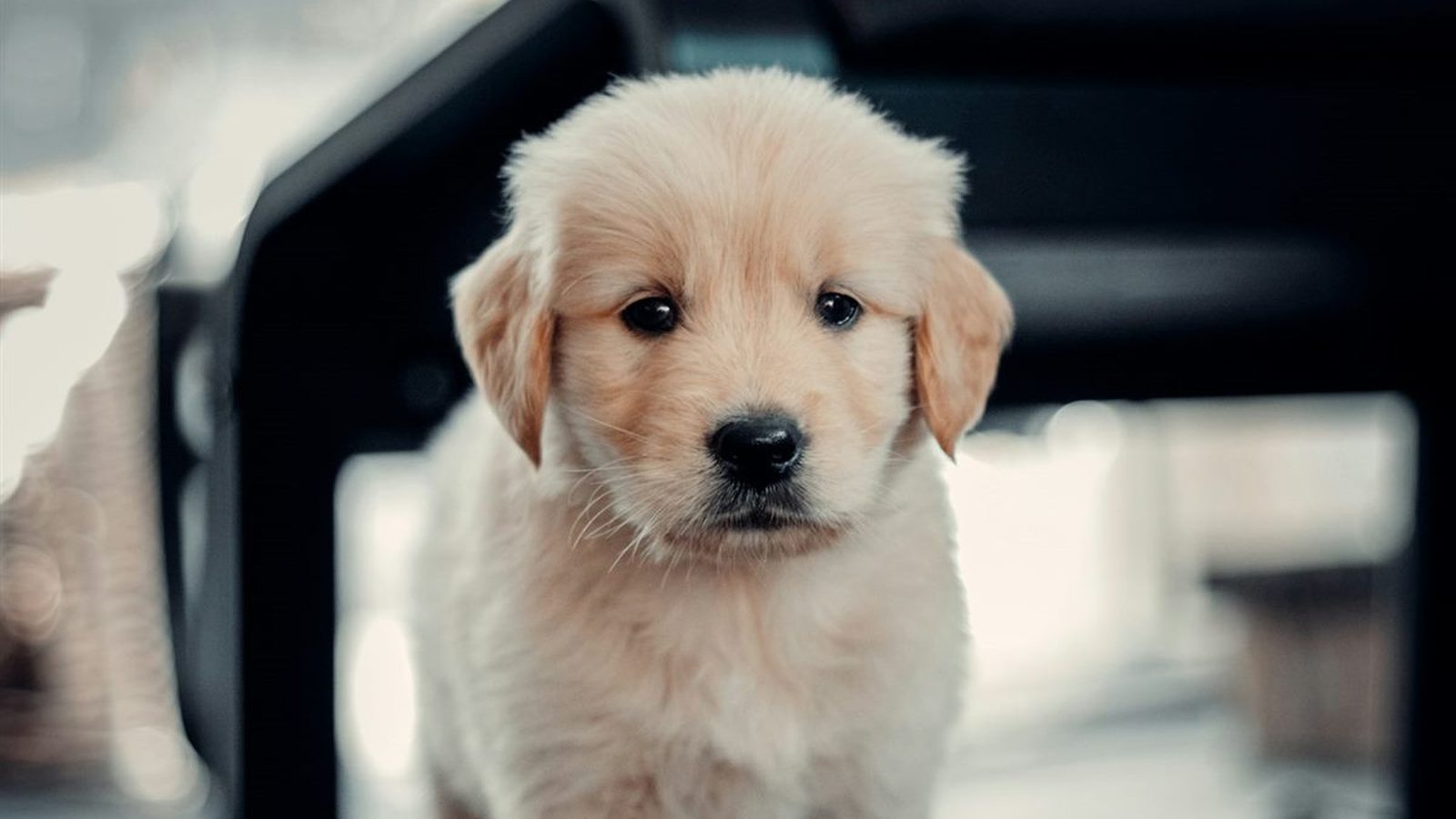
New Puppy Checklist: 10 Essentials to Buy Before Your Puppy Comes Home
Heads up. Some links in this article are affiliate links. If you buy through them we may earn a commission at no extra cost to you. As an Amazon Associate we earn from qualifying purchases.
Preparing before your puppy arrives makes the first days calmer for everyone, including the puppy. The pet store can feel overwhelming, with aisles of gadgets promising to solve every problem. You really only need a handful of simple, safe items to start. Use this list as a starting point, then adjust for your puppy's size, age and your home.
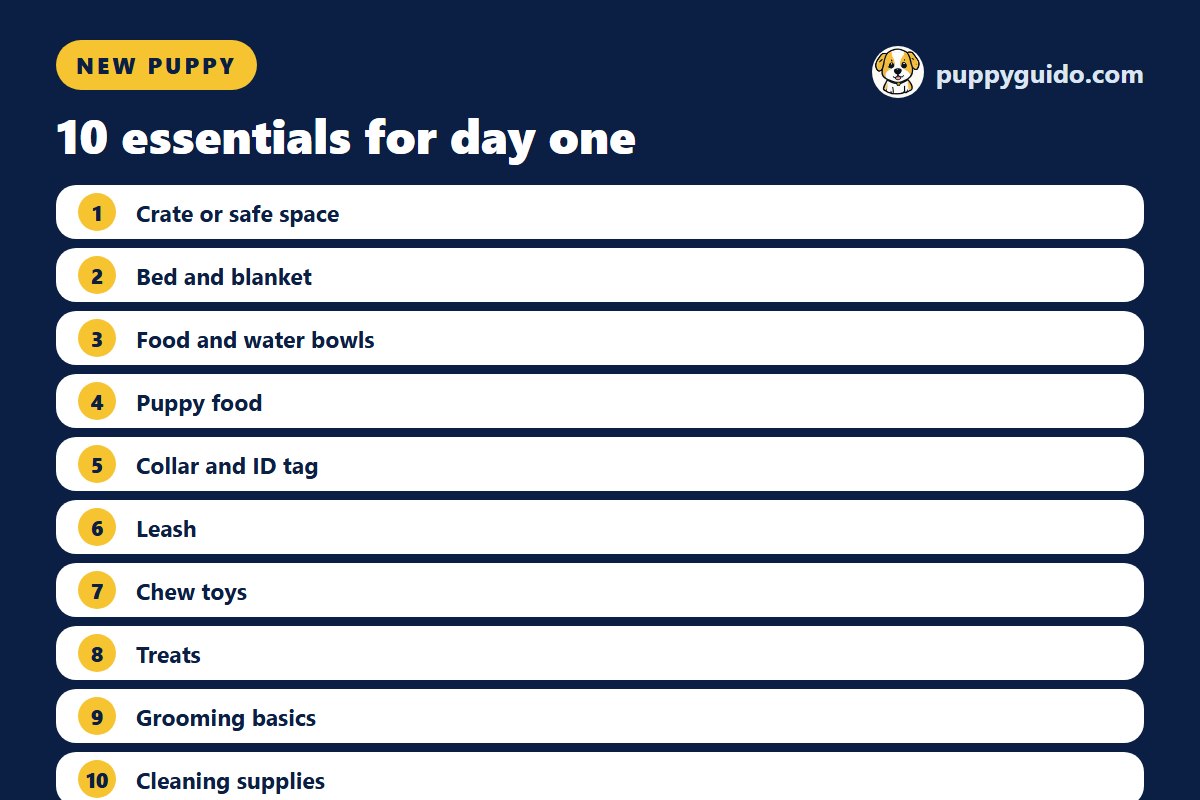
The 10 essentials
- A crate or safe space. Size it for your puppy's adult size with a divider if needed, so it is cozy now and fits later. This is where your puppy will rest and learn to settle.
- Bed and blanket. Washable and safe, with nothing that can be swallowed. Expect the first bed to get chewed, so keep it simple.
- Food and water bowls. Stainless steel or ceramic are easy to clean and harder to chew than plastic.
- Puppy food. Ask your breeder, shelter or vet which food to start with, and keep it the same for the first weeks. Change food slowly, not overnight.
- Collar and ID tag. A light adjustable collar with your phone number. Check the fit often, because puppies grow fast.
- Leash. A simple, light leash is enough to start.
- Chew toys. A mix of textures for teething, chosen to suit your puppy's size, with no small parts that can break off.
- Treats. Small, soft treats for training, so you can reward often without overfeeding.
- Grooming basics. A soft brush and puppy-safe shampoo, plus nail clippers when you are ready.
- Cleaning supplies. Enzymatic cleaner, paper towels, waste bags, and pads if you use them. Accidents are part of learning.
Puppy-proof first
Before your puppy arrives, get down to puppy height and look around. Check cords, cleaning products, medicines, small objects, toxic plants, trash, stairs and any gaps in the fence. Move anything valuable or dangerous out of reach, and set up one safe area, such as a pen or a small room, for when you cannot supervise. Safe home, calmer puppy, easier routine.
A first-night kit
The first night goes better when everything is within reach. Put these in one spot before you collect your puppy:
- A towel and spare bedding, in case of car sickness or accidents.
- A few treats and a chew toy.
- Water and a clean bowl.
- Waste bags and cleaner.
- Your vet's phone number and your breeder's or shelter's paperwork.
What to ask your breeder, shelter or vet
- What food and feeding times has the puppy been on?
- What vaccinations and treatments have been done, and what is next?
- Has the puppy been crate or pen trained, or used pads?
- When should we book the first vet visit?
Write the answers down. They make the first weeks much smoother.
What can wait
You do not need everything on day one. Special gear, extra toys, outfits and fancy beds can wait until you know your puppy's habits. Many things you buy in a rush turn out to be unused. Start with the basics, watch what your puppy actually needs, then add.
Plan the first week
Know your vet, book the first visit, and have your daily routine written down: feeding times, potty trips, naps and bedtime. Agree the house rules with everyone who lives with you, so the puppy gets the same messages from every person. A simple routine does more for a new puppy than any gadget. See our puppy feeding schedule for how many meals a puppy needs by age.
Shop in three steps
| When | What to buy |
|---|---|
| Before day one | Crate or pen, bed, bowls, food, collar and tag, leash, a few chew toys, cleaning supplies |
| First week | Treats for training, grooming brush, a second set of bedding, baby gates if you need them |
| First month | Training extras, a harness if you prefer one, more toys once you know what your puppy likes |
A sample first day
A calm first day helps your puppy settle. A simple plan might be: a quiet arrival and a potty trip, a small meal and water, a short look around one room, a long nap in the crate or pen, another potty trip, quiet time with the family, a last potty break, and bed. Keep visitors to a minimum for the first few days. Every puppy is different, so adjust to what your puppy shows you.
Foods and plants to keep away
Some common household items are harmful to dogs. Keep chocolate, grapes and raisins, onions, garlic, xylitol sweeteners and alcohol well out of reach, and check that houseplants and garden plants are safe for dogs before your puppy explores them. If your puppy eats something you are unsure about, call your veterinarian or a local animal poison helpline straight away.
Plan the budget
Besides the shopping list, think about regular costs: food, vet visits, vaccinations, parasite prevention, training classes, insurance if you choose it, and boarding or pet sitting for travel. Setting a simple monthly budget and a small emergency fund makes the first year less stressful.
The day before your puppy comes home
- Set up the crate or pen in a quiet, central spot, away from drafts and direct heat.
- Put bowls, bedding and a few toys in place so the space feels ready.
- Do a final puppy-proof walk-through at puppy height.
- Charge your phone, save your vet's number and plan the car trip home, ideally with a second adult to comfort the puppy.
- Rest. A calm, rested owner makes a calmer first night.
Frequently asked questions
How much should I spend before my puppy comes home?
Prices vary a lot between countries and stores, so set a budget first, buy the essentials, and add items over time. Reliable, simple and safe is better than expensive.
Do I need a crate?
Many families find a crate or pen useful for rest, safety and potty training, but you can choose a method that suits your home. If you use one, make it a positive place.
Which toys are safest?
Choose toys that suit your puppy's size, have no small detachable parts, and supervise play. Replace anything that is damaged.
The free PuppyGuido guide includes printable checklists and a 14-day plan. Get your free copy. Ready to go deeper? See how to prepare for a puppy and our first night guide.
Related reading: add vet dates from the puppy vaccination schedule to your plan, and chew toys from the teething guide.
Disclaimer. PuppyGuido provides general educational information and does not replace advice from a qualified veterinarian or professional trainer.
Keep reading
Puppy Harness or Collar? A Simple Guide for New Owners
Collar or harness? Here is how to choose for comfort, ID tags, walks, and the growth spurts that make sizing tricky.
Read articlePuppy Playpen: Do You Need One and How to Use It
A puppy playpen can be a safe, short-term play space, as long as you use it with care and never as long-term confinement.
Read article
First Week With Puppy: What to Do Day by Day
Your puppy is home and you are not sure what comes next, so here is a calm, practical plan for the first seven days.
Read article