
Puppy Won't Pee Outside? 7 Things to Try
Puppy Won't Pee Outside? 7 Things to Try
Why the living room feels safer than the grass
We have all been there. You stand in the backyard for twenty minutes, shivering in your pajamas at 2 AM, while your puppy sniffs every single blade of grass except the ones you want them to use. You finally give up, head back inside, and the moment your feet hit the carpet, they let it go. It is frustrating, and it is enough to make any new owner feel a bit of the puppy blues. But if your puppy won't pee outside, it is usually not because they are being stubborn. Most of the time, they are simply overwhelmed by the big, wide world.
To a tiny pup, the outdoors is a sensory explosion. There are birds chirping, cars passing, wind rustling the leaves, and a million interesting smells. When a new puppy will not pee outside, it is often because they are too distracted to remember why they are out there in the first place. Once they get back inside, the familiar sights and smells of your home help them relax. That relaxation is exactly what triggers their bladder to release. Our goal is to help them feel that same level of safety and boredom outside.
Pick one boring and consistent spot
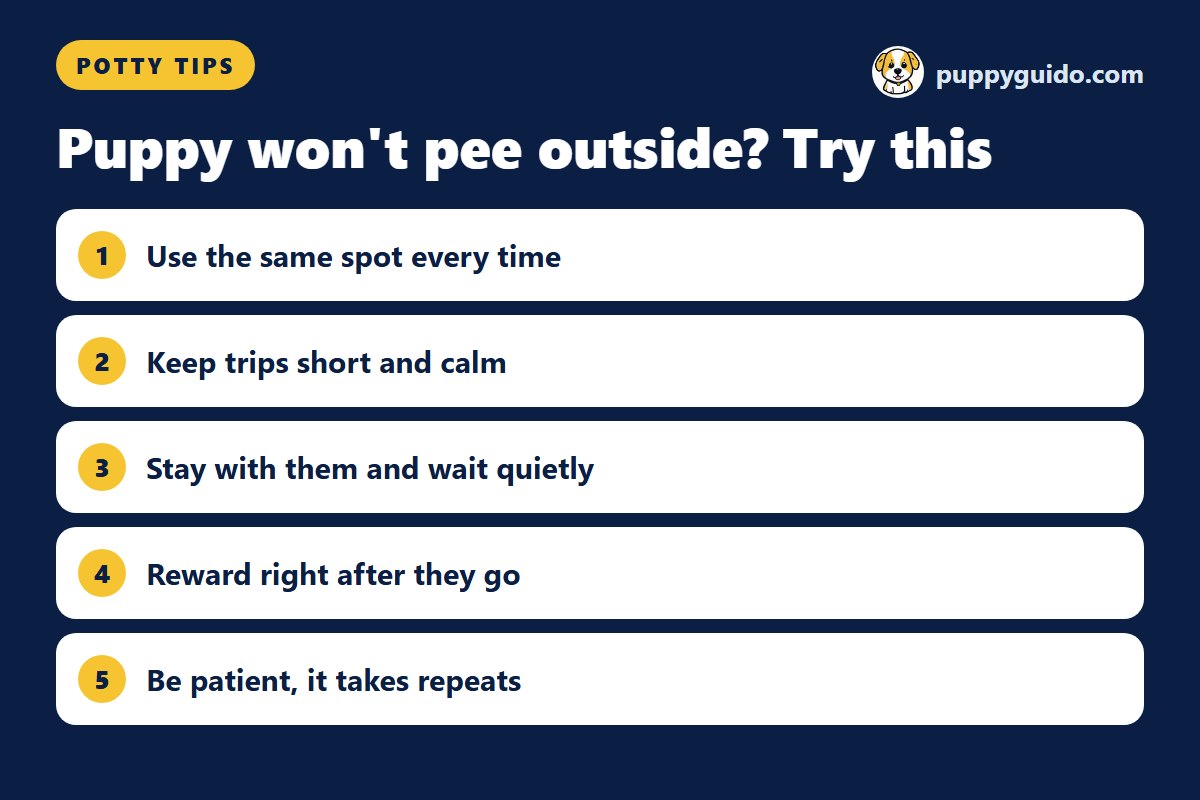
When you take your puppy out, do not wander all over the yard. If you treat the whole yard like a playground, your puppy will treat it like one too. Instead, choose a small, designated area that is specifically for bathroom breaks. This should be a spot that is easy to access, even in bad weather, and away from high-traffic areas or loud noises. By using the same spot every single time, the scent of previous successes will eventually act as a natural cue, telling their brain that this is the place to go.
Keep this area as boring as possible. Do not bring toys, and do not start a game of fetch until the business is done. You want your puppy to realize that this specific patch of grass is for one thing only. If they spend their time trying to chew on a stray slipper or chasing a butterfly, they are not focusing on their bladder. Consistency is your best friend here. Even if you have a large garden, stick to that one small square until the habit is firmly established.
Keep the trips short and calm
It is a common mistake to stay outside for an hour hoping the puppy will eventually go. This actually teaches the puppy that being outside is just "hanging out" time. If they haven't gone within five to ten minutes, the trip is over. However, the trick is what you do next. If you bring them back inside and give them free rein of the house, they will pee on the rug. Instead, bring them back in and keep them in a confined space where they are less likely to soil, like their crate or a small playpen.
Wait about ten to fifteen minutes, then try again. This "in and out" cycle is much more effective than one long marathon session. It builds a clear association: we go outside, we do the business, and then we get to come back in for cuddles or play. Following a structured potty schedule by age can help you time these trips so you are catching them when their bladder is most likely to be full, such as right after a nap or a meal.
Use a leash even in a fenced yard
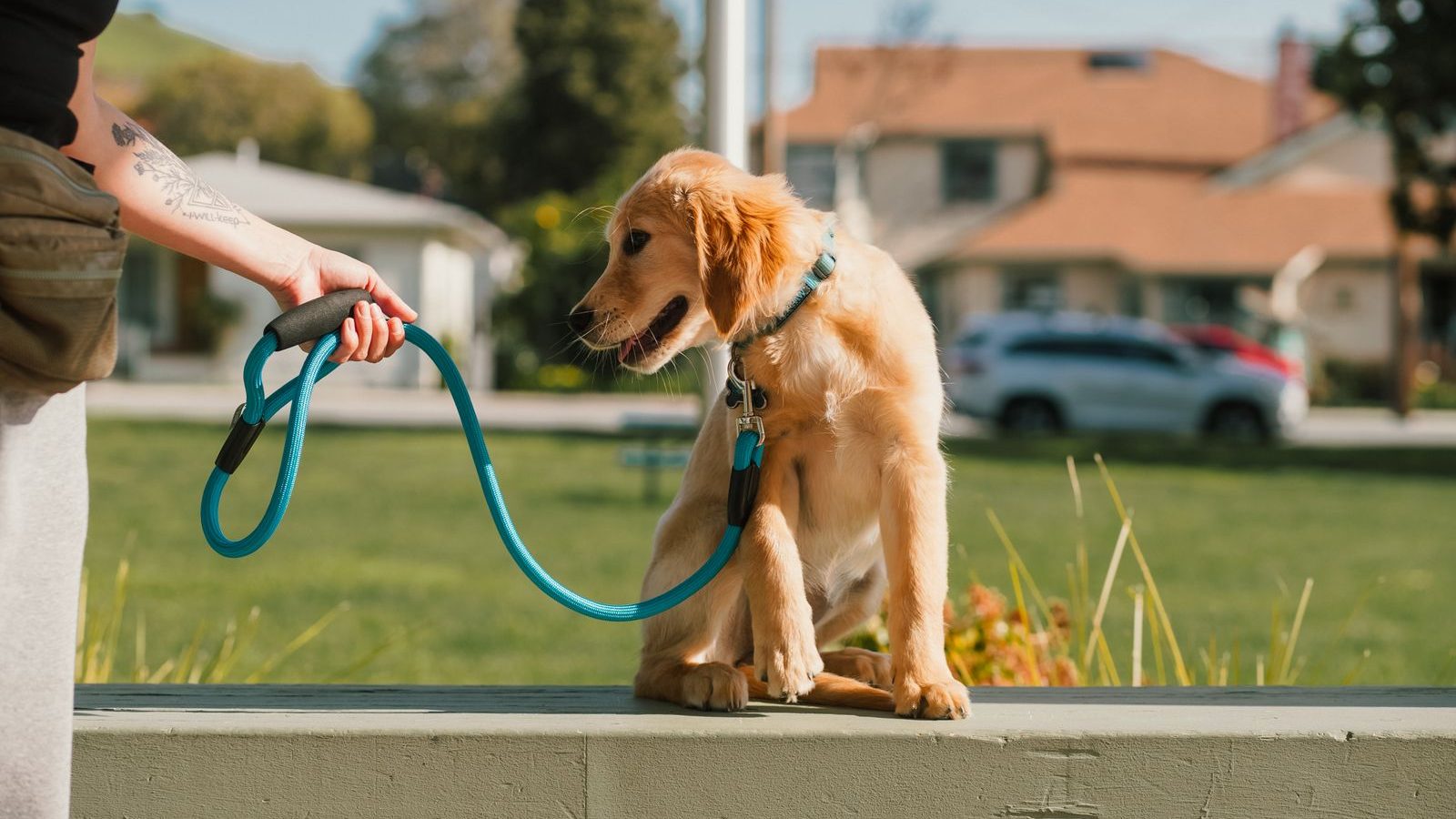
Even if you have a perfectly secure fence, using a leash for potty breaks can be a total shift in results. A leash gives you control over the situation. It prevents the puppy from wandering off to explore the bushes or getting distracted by a squirrel on the other side of the yard. It keeps them focused on the task at hand within that "boring spot" you chose earlier.
Being on a leash also keeps you close to them. This is vital because you need to be right there to deliver a reward the very second they finish. If they are twenty feet away when they pee, by the time you walk over to give them a treat, they have already forgotten why they are getting it. The leash ensures you are part of the process, rather than just a spectator watching from the back door.
Reward the success immediately
Positive reinforcement is the only way to build a lasting habit. When your puppy finally does go outside, you need to make it the best moment of their day. We are talking about high-value treats—something they don't get for just sitting or staying. Think tiny pieces of plain cooked chicken or a special training treat they absolutely love. The timing must be precise. You should start the praise and offer the treat the moment they finish their stream, not after they walk back to the door.
- Take the puppy to the designated spot on a leash.
- Stand still and give a simple cue like "go potty" in a calm voice.
- Wait quietly for up to ten minutes without playing or talking.
- The moment they finish, give calm but enthusiastic praise.
- Deliver a high-value treat immediately.
- Head back inside or reward them with a brief play session.
Never scold or punish your puppy for having an accident inside. They won't understand that you are upset about the location; they will only learn that peeing in front of you is scary. This can lead to them hiding behind the sofa to go, which makes training much harder. If you catch them in the act, a quick, neutral noise to startle them (like a clap) can stop the flow so you can whisk them outside, but the focus should always be on rewarding the good stuff.
How age affects their progress
Every puppy develops at a different rate, and their physical ability to hold their bladder changes rapidly in the first few months. Understanding the potty training timeline helps set realistic expectations for your sanity. A very young puppy physically cannot hold it for long, no matter how much they want to please you.
| Puppy Age | Bladder Capacity | Typical Frequency |
|---|---|---|
| 8–10 Weeks | Very small | Every 30–60 minutes | 10–12 Weeks | Improving | Every 1–2 hours | 3–4 Months | Better control | Every 2–4 hours | 4–6 Months | Near adult capacity | Every 4–6 hours |
8 to 10 weeks
At this stage, the puppy is a blank slate with almost zero bladder control. They often don't even realize they have to go until it is already happening. You should be taking them out after every single transition: after eating, drinking, sleeping, or playing. If they have been awake for twenty minutes, it is probably time for a trip outside.
10 to 12 weeks
Your pup is starting to develop some muscle control, but they are still very easily distracted. This is the prime age for the "I forgot I had to pee because I saw a leaf" behavior. Stick to the leash and the boring spot religiously during these weeks to prevent bad habits from forming.
3 to 4 months
By now, many puppies are starting to understand the concept of going outside, but they might still have accidents if you miss their signals. They can usually sleep longer through the night, which is a huge relief for tired parents. If you are still struggling with night wake-ups, checking on crate training tips can help them feel more secure and settled.
4 to 6 months
Most puppies have much better physical control now. If they are still refusing to go outside at this age, it might be time to look at environmental factors or potential stress. They should be able to hold it for several hours, but they still need a consistent routine to feel confident.
Manage the environment inside
The best way to stop a puppy from peeing inside is to prevent them from having the opportunity. This means constant supervision. If you cannot have your eyes on the puppy, they should be in a puppy-proofed area or a crate. Puppies have a natural instinct to keep their sleeping area clean, which is why a crate is such an effective tool for potty training. It encourages them to hold their bladder until you let them out. If a puppy who was doing well starts having accidents again, see potty training regression.
If an accident does happen, cleaning it properly is vital. Standard household cleaners often contain ammonia, which actually smells like urine to a dog and can encourage them to go in that same spot again. Use an enzymatic cleaner specifically designed for pet messes. These cleaners break down the proteins in the urine, removing the scent entirely so the puppy doesn't return to the scene of the crime. If you are just starting out, making sure you have the right supplies from a new puppy checklist will save you a lot of stress.
When to ask a professional
Sometimes, despite your best efforts and a perfect routine, things just don't click. If your puppy seems to be in pain while urinating, if they are going very small amounts every few minutes, or if there is blood in their urine, you should contact your veterinarian. Medical issues like urinary tract infections can make potty training impossible until the underlying health problem is treated.
If health issues are ruled out and you are still struggling after several weeks of consistent effort, a certified positive-reinforcement trainer can offer a fresh set of eyes. They can help identify subtle triggers or stressors in your environment that might be holding your puppy back. There is no shame in asking for help; every dog is an individual, and some just need a slightly different approach to find their rhythm!
Raising a puppy is a marathon, not a sprint, and there will be messy days along the way. Stay patient, keep the treats handy, and remember that this phase is temporary. Get the free New Puppy Survival Guide
Frequently asked questions
Why does my puppy pee inside right after we come back from a walk?
The outside world is full of smells, sounds, and sights that distract a young puppy. They often forget they need to go until they return to the quiet, familiar environment of your home. When they relax indoors, their bladder muscles relax too, leading to an immediate accident on your floor.
How long should I wait outside for my puppy to pee?
Keep potty trips to about five to ten minutes. If you stay out too long, the puppy thinks it is playtime rather than a bathroom break. If they do not go within ten minutes, bring them back inside under close supervision or into their crate, then try again shortly after.
Is it okay to use potty pads if my puppy won't go outside?
Potty pads can be confusing because they teach your puppy that peeing on a soft surface inside the house is acceptable. This often makes the transition to grass much harder. It is usually better to focus on frequent outdoor trips and consistent rewards to build a clear preference for going outside.
What should I do if my puppy is scared of the grass?
Some puppies find the texture of grass or the vastness of the yard intimidating. Start by spending time playing on the grass without any pressure to go potty. Once they feel comfortable and safe in the space, they will be much more likely to relax enough to use it as a bathroom.
How can I tell if my puppy is about to have an accident?
Common signs include sniffing the floor intently, circling, suddenly leaving the room, or acting restless. Every puppy has a unique tell, like a specific whimper or a change in their pacing. Learning these subtle signals helps you get them outside before the accident happens.
Disclaimer. PuppyGuido provides general educational information and does not replace advice from a qualified veterinarian or professional trainer.
Keep reading
Puppy Potty Training Regression: Why Accidents Start Again and What to Do
Why accidents can return after weeks of progress, when to call the vet, and how to reset your puppy's potty routine.
Read article
Puppy Potty Training Timeline: How Long Does It Take?
A realistic week-by-week timeline for puppy potty training and what affects it.
Read article
Puppy Potty Training Schedule by Age (With a Sample Day)
A simple puppy potty training schedule by age, with a sample day, a night plan and a first-week plan.
Read article