
Puppy Potty Training Schedule: A Simple Daily Routine That Works
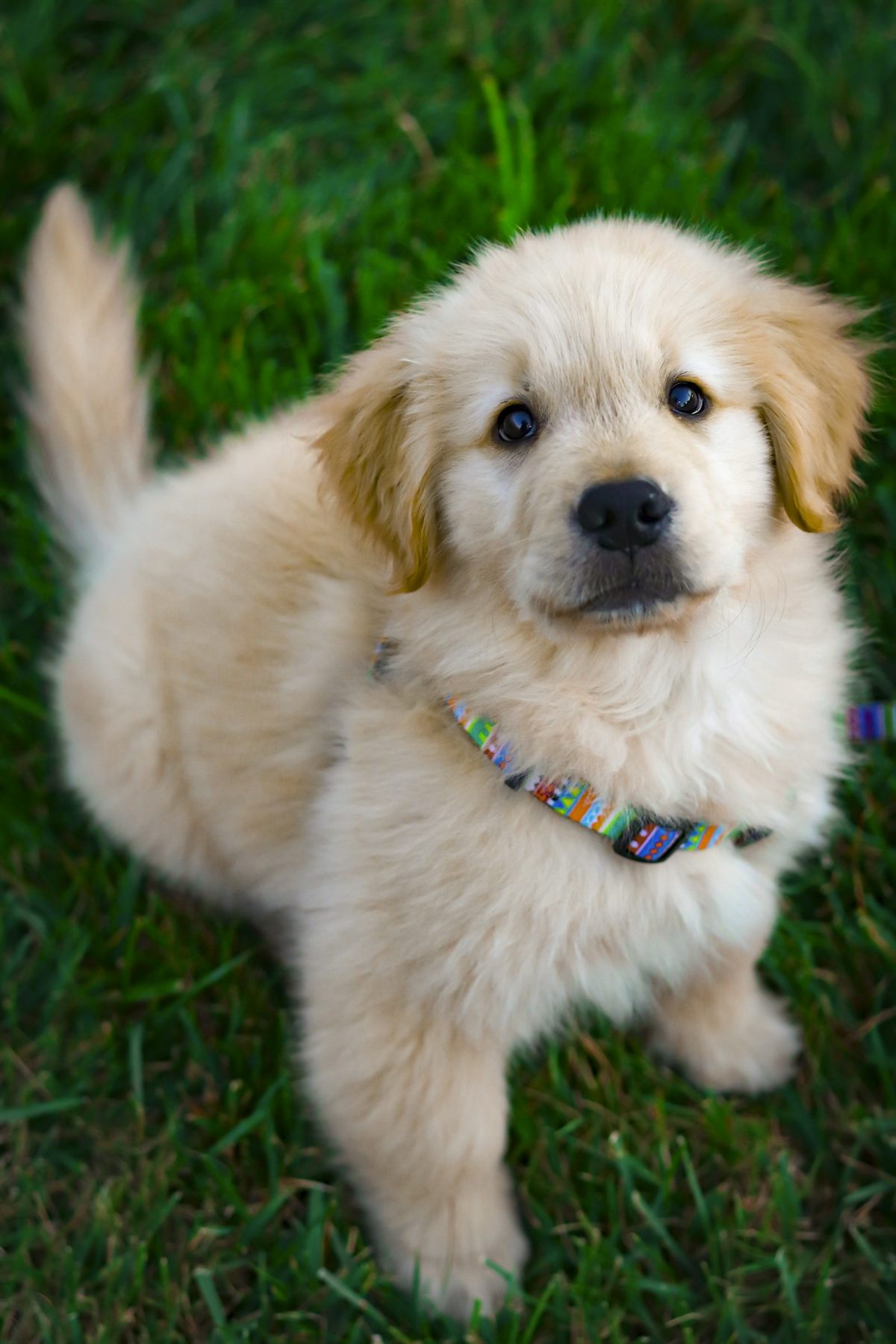
Potty training is mostly about management and consistency. Puppies do not understand "rules" about where to go. They learn from routine, supervision and rewards.
The basics
- Pick one spot. Take your puppy to the same area each time.
- Go out often. Young puppies need frequent trips, often every 1 to 2 hours during the day.
- Use a cue word. Say it calmly while your puppy sniffs and goes.
- Reward right after. Praise and a treat the moment they finish, not when you are back inside.
When to take your puppy out
- First thing in the morning.
- After meals (usually within a short time after eating).
- After waking from naps.
- After play sessions.
- Before bed, and during the night if needed for very young puppies.
A sample day
| Time | What to do |
|---|---|
| Wake up | Straight outside to the potty spot, reward |
| Breakfast | Meal, then potty break shortly after |
| Mid-morning | Play, short training, potty break, nap |
| Midday | Meal, potty, supervised time |
| Afternoon | Nap, potty on waking, play |
| Evening | Meal, potty, calm time |
| Bedtime | Last potty break, then sleep |
This is a general example. Adjust to your puppy's age and your vet's advice.
Learn the signals
Sniffing the floor, circling, whining, suddenly wandering off or heading to the door can all mean "I need to go". When you see them, calmly take your puppy out.
What to do about accidents
- Do not scold or rub the puppy's nose in it. It teaches fear, not toileting.
- Clean with an enzymatic cleaner so the smell does not draw them back.
- Ask yourself what you missed: a long gap, a missed signal, too much freedom.
Track progress
A simple log of meals, naps and potty breaks quickly shows your puppy's natural rhythm. The PupyGuido workbook includes trackers for exactly this.
Ready for the full plan? Get the free New Puppy Survival Guide.
Disclaimer. PupyGuido provides general educational information and does not replace advice from a qualified veterinarian or professional trainer.
Keep reading
Crate Training a Puppy: A Step-by-Step Guide
Master crate training a puppy with our positive, step-by-step guide. Learn how to create a safe space for your new best friend.
Read article
How to Stop Puppy Biting: The Pause, Redirect, Reward Method
Puppy biting is normal but painful. Learn why puppies bite and a simple three-step method (pause, redirect, reward) that works without punishment.
Read article
New Puppy Checklist: 10 Essentials to Buy Before Your Puppy Comes Home
Your new puppy checklist: the essential items to have ready before day one, plus what you can wait on.
Read article