
When Can a Puppy Go Outside? Safe Early Outings
When Can a Puppy Go Outside? Safe Early Outings
It's 6:40 on a Saturday morning. Your eight-week-old puppy is standing at the front door, tail going like a windshield wiper, and you're wondering whether a quick walk would be a lovely first memory or a risky one. If you're asking when a new puppy can go outside, you're asking the right question. The short answer: most puppies can start getting some outdoor time soon after they come home, but the safest approach depends on vaccine timing, the places you visit and advice from your own vet.
Here's the tension in plain terms. Young puppies need to meet people, sounds, surfaces and calm dogs during a short developmental window, and waiting too long can leave them wary. But they also haven't finished their vaccine series, and serious infectious diseases spread easily where unknown dogs have been. So the goal isn't to choose between socializing and protecting. It's to do both, in smaller and smarter steps than most of us expect.
Why there isn't one magic day
Every puppy is different, and so is every vet's protocol. A puppy living on a quiet rural lane may have different exposure than one in a dense city building with a busy dog run downstairs. Breed size, health history and local disease risk all play a part. That's why you'll hear different answers from friends, online forums and even two vets in the same town.
When I think back to my first puppy, what I remember most is how badly I wanted a date on the calendar. I circled a day in red pen and then felt silly about it. What actually helped was a plan written down by our vet, with dates for each vaccine visit and a line that said quiet sidewalks were fine after the second visit, but check before going anywhere with lots of dogs. Once I had that, the decisions got much easier. Ask your vet for something similar.
What vaccines are protecting against
Puppy vaccines are given as a series of visits, usually starting somewhere around six to eight weeks and spaced a few weeks apart. Protection builds over that series, and most vets consider a puppy better protected once the last booster has been given and enough time has passed for the immune response to settle. Many vets mention about a week or two after that final shot, but your vet will confirm the exact timing for your puppy and your area.
The diseases that worry vets most in young puppies include parvovirus and distemper, which can spread through feces, shared water bowls and contaminated surfaces. A clean residential sidewalk is generally lower risk. A dog park, a grassy area where many dogs have gone to the bathroom or a pet store floor full of visiting paws carries more risk. That's why so many people carry their puppy in busy places before the vaccine series is finished. The puppy gets to see the world without paws touching questionable ground.
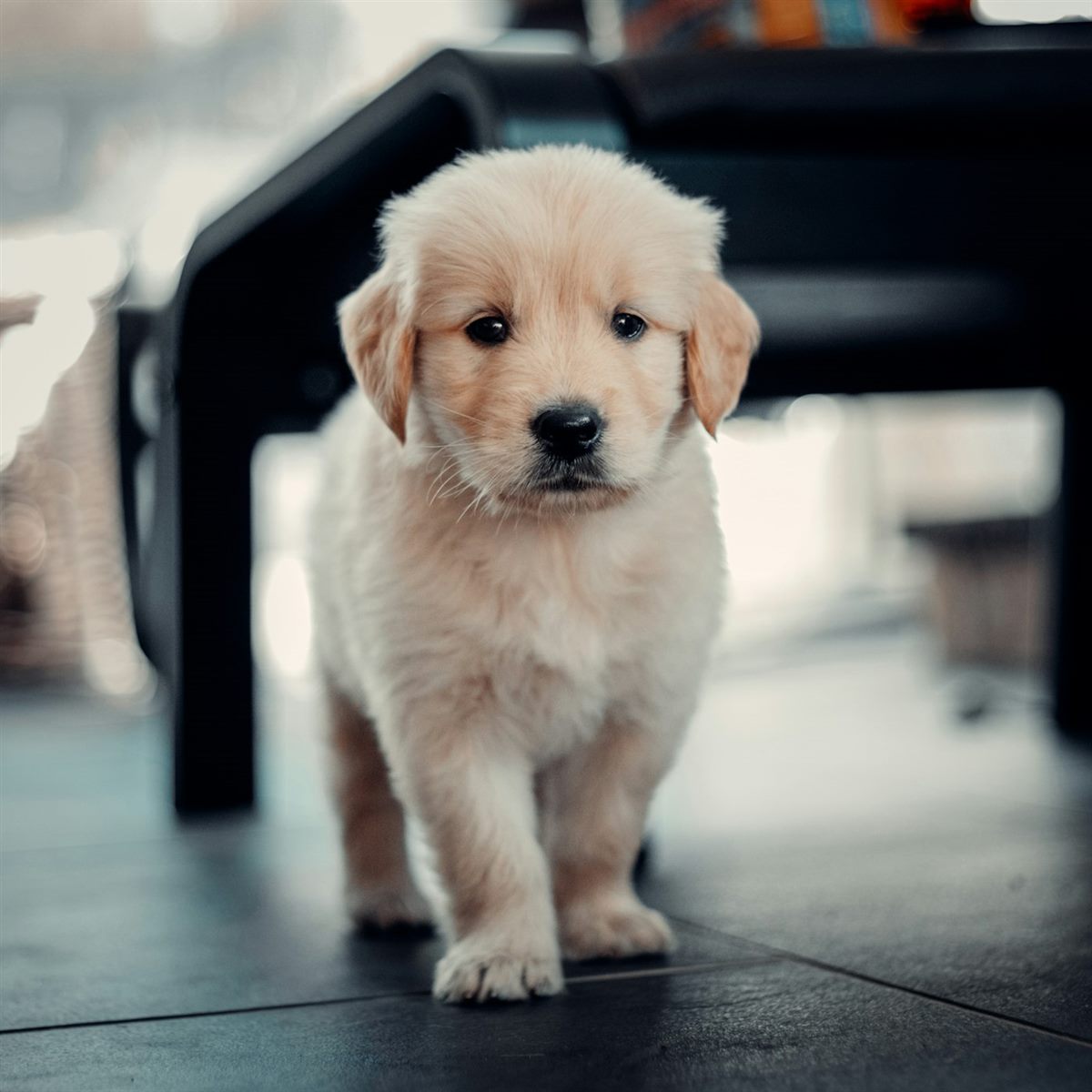
Why early outings still matter
The early weeks are when puppies are most open to new things. Sounds, textures, people in hats, bicycles and the sudden whoosh of a bus can all become normal if they show up in small, pleasant doses. Trainers and vets often describe a sensitive socialization window that gradually closes, which is why a puppy kept indoors until five months old can seem nervous about things a bolder puppy shrugs off.
That doesn't mean every outing has to be a big adventure. A calm five minutes on the front porch, a treat handed out while a car drives by at a distance, a short ride in a carrier with the window cracked. Those small experiences do more than you'd think. Keep them calm, keep them short and let your puppy decide how close they want to get.
A rough timeline by age
So when can puppies go outside? Use the table below as a starting point, not a rule. Your vet's schedule, your puppy's health and your neighborhood matter more than any age chart. Most of this timeline assumes your puppy is healthy and has a vaccine plan in place.
| Age | Outdoor options | Things to keep in mind |
|---|---|---|
| 8 to 10 weeks | Private yard, carried trips, car rides in a secure carrier | Avoid dog parks, shared grass and pet store floors |
| 10 to 12 weeks | Quiet sidewalks, carried visits, short leashed walks in calm areas | Follow your vet's vaccine plan and keep sessions short |
| 3 to 4 months | Longer walks, off-peak park visits, puppy classes if your vet agrees | Many puppies are close to finishing vaccines, so confirm timing first |
| 4 to 6 months | Wider range of leashed outings and calm play with vaccinated dogs | Expect some nervous days and keep new experiences pleasant |
8 to 10 weeks
This is usually when puppies come home, so think of the first week as a settling-in period. Short carried trips to the car, a quiet walk around your yard and a few minutes on a bench in a low-traffic spot are plenty. If your puppy has a wobbly first night, that's normal and not a sign that outdoor life is off the table.
10 to 12 weeks
By now many puppies have had one or two vaccine visits. Quiet residential sidewalks become the new frontier. Ask your vet about puppy socialization classes, since many require vaccination records and use clean, controlled spaces. Keep sessions short. A tired puppy tends to bite more and learn less.
3 to 4 months
Many puppies are close to finishing their series at this age. Your vet may give the green light for more time outdoors, though you'll still avoid places with lots of unfamiliar dogs until the series is complete. This is a good time for a slightly longer walk, a new surface like gravel or wood, and a visit to a quiet park during off-peak hours.
4 to 6 months
Once the series is done and your vet agrees, most puppies can take on more of the world. That means leashed walks in busier areas, pet-friendly shops where allowed and play with calm, vaccinated dogs. Be ready for a wobbly stretch around this age, when a puppy who was brave last month suddenly startles at a plastic bag. That's normal adolescence, and it's a good reason to keep outings pleasant and predictable.
Carrying your puppy in public
People often ask when a puppy can go into public, and the honest answer is that carried trips usually come sooner than walking trips. A soft-sided carrier, a sling designed for small dogs or a stroller can let your puppy watch the world without putting paws on questionable pavement. Hold them at a comfortable height so they can see traffic, people and other animals from a safe distance. Let them look, then reward a calm response with a quiet word and a treat.
Carriers also help with car trips. Pick a spot where the carrier stays put, and make it a familiar, comfortable place first. Our guide to crate training is a good starting point for teaching your puppy that a carrier or crate feels like a safe spot. Visitors will often want to say hello in shops and cafés. A polite not today, thanks is a perfectly good answer.
Safe places to start
The best first destinations are boring in the best way. Your own yard is ideal if it's fenced and free of droppings, though check for gaps where other dogs could reach through and for wildlife that might leave droppings behind. A friend's calm, fully vaccinated adult dog can be a great first playmate in a private yard. Quiet residential streets at off-peak hours, a parking lot far from the busiest entrance or a bench at an empty sports field all give your puppy new sights without a crowd.
Gear matters less than you'd think, but a well-fitting collar or harness, a leash you can hold without strain and a few small treats in your pocket are the basics. For a full shopping list, take a look at our new puppy checklist.
Your first outing, step by step
Whether it's the front step or the corner café, a first outing should feel like a short, friendly experiment. Here's a simple way to run one.
- Ask your vet first, and confirm which places and dog contact are fine for your puppy right now.
- Pick a quiet time, such as early morning or mid-afternoon, when there are fewer people and dogs around.
- Go out after a potty break and before a nap. Puppies often need to go shortly after waking, playing and eating.
- Bring treats, a collar or harness that fits and water if it's warm.
- Start with about five minutes of sitting, watching and maybe a few steps on a clean surface.
- Reward calm looking, sniffing and ears-forward attention with small treats and praise.
- Stop while your puppy still wants more. A tired puppy is more likely to get overwhelmed.
- Head home, offer a snack or a chew and let your puppy rest somewhere quiet.
Potty breaks belong in the plan too. A brand-new outdoor setting can be exciting enough to stop a puppy from going, and that's common. If your puppy holds it for an hour outside and then has an accident at home, see our guide on why a puppy won't pee outside. You can also keep the routine steady with a potty schedule by age.
Signs an outing is getting to be too much
Puppies rarely say they're overwhelmed. They show it in smaller ways: a tucked tail, yawning, lip licking, sniffing the ground hard as if they'd rather be anywhere else, freezing or pulling back toward the car. Some puppies go unusually quiet, which can look like good behavior when it's really stress. Treat these signs as a signal to change the plan, not as a challenge to push through.
When your puppy shows stress, move farther from the trigger, step into a doorway or the car and let them settle. Keep treats in your hand and reward any look back at you. Never drag a scared puppy toward something new, and don't wait until they panic. Keep the next outing shorter and quieter, and you'll often see confidence grow faster than you expected.
When to ask a professional
Your vet is your first call for anything about vaccines, parasites, timing or whether a specific place is safe. Contact your veterinarian promptly if your puppy has vomiting, diarrhea, weakness, limping, coughing, trouble breathing or a sudden change in appetite after an outing. Don't wait to see whether it passes. If your puppy shows intense fear that doesn't ease over several weeks of gentle exposure, ask your vet for a referral to a qualified trainer or behavior professional who uses positive reinforcement.
Want a calmer plan for these first months? Get the free New Puppy Survival Guide and keep your vet's dates and your puppy's outings in one place.
Frequently asked questions
Can I take my puppy outside before its vaccines are finished?
Often yes, with care. Many vets are happy for puppies to have carried trips, private yard time and quiet sidewalks before the full vaccine series is done, while keeping them away from dog parks, grassy areas used by many dogs and pet store floors. What fits depends on your puppy's health and local disease risk, so ask your vet to spell out a plan.
When can a puppy go into public places like pet stores?
Carried visits to pet-friendly stores can start once your vet agrees, which often happens before the full vaccine series is complete. Keep the puppy off the floor, avoid petting crowds and visit at quiet times. Many shops allow dogs, but policies vary, so call ahead. Once your puppy has finished its vaccines and is comfortable, you can start walking through busier spaces on a leash.
Can my puppy go to the dog park?
Most vets advise waiting until the vaccine series is complete and your puppy has had time to build protection, and many suggest waiting until the puppy is calm around other dogs. Dog parks are busy shared spaces with unknown health histories and lots of droppings, so they're a higher-risk setting. When you do go, choose a quiet time, keep sessions short and leave if your puppy seems overwhelmed.
How long should a puppy's first outing last?
For most puppies, the first outing is best kept to five to ten minutes of calm looking, sniffing or a few steps. Watch your puppy rather than the clock. If they're relaxed, you can add a minute next time. If they're hiding, trembling or pulling away, that's your cue to head home early. Short, pleasant trips build confidence faster than long, overwhelming ones.
When can puppies go outside to pee?
Puppies can go outside to pee from the day they come home, and a private yard is usually the first stop. Take them out often, especially after waking, eating and playing. Expect frequent trips, particularly when they're very young. Praise and treat them right after they go. Vaccine timing mostly shapes where else they walk.
What if my puppy is scared of going outside?
Some puppies hesitate at doors, steps or new surfaces, and that's common. Go slowly. Let your puppy come to the doorway on their own terms, toss a few treats outside the door and make the first steps short and rewarding. If the fear is strong, lasts for weeks or gets worse, talk to your vet, who can point you toward a qualified positive-reinforcement trainer or behavior professional.
Disclaimer. PuppyGuido provides general educational information and does not replace advice from a qualified veterinarian or professional trainer.
Keep reading
Puppy Slow Feeder Bowls: Are They Worth It?
A calm, practical look at whether a slow feeder bowl suits your new puppy, and how to use one without the mealtime drama.
Read articlePuppy Harness or Collar? A Simple Guide for New Owners
Collar or harness? Here is how to choose for comfort, ID tags, walks, and the growth spurts that make sizing tricky.
Read articlePuppy Playpen: Do You Need One and How to Use It
A puppy playpen can be a safe, short-term play space, as long as you use it with care and never as long-term confinement.
Read article